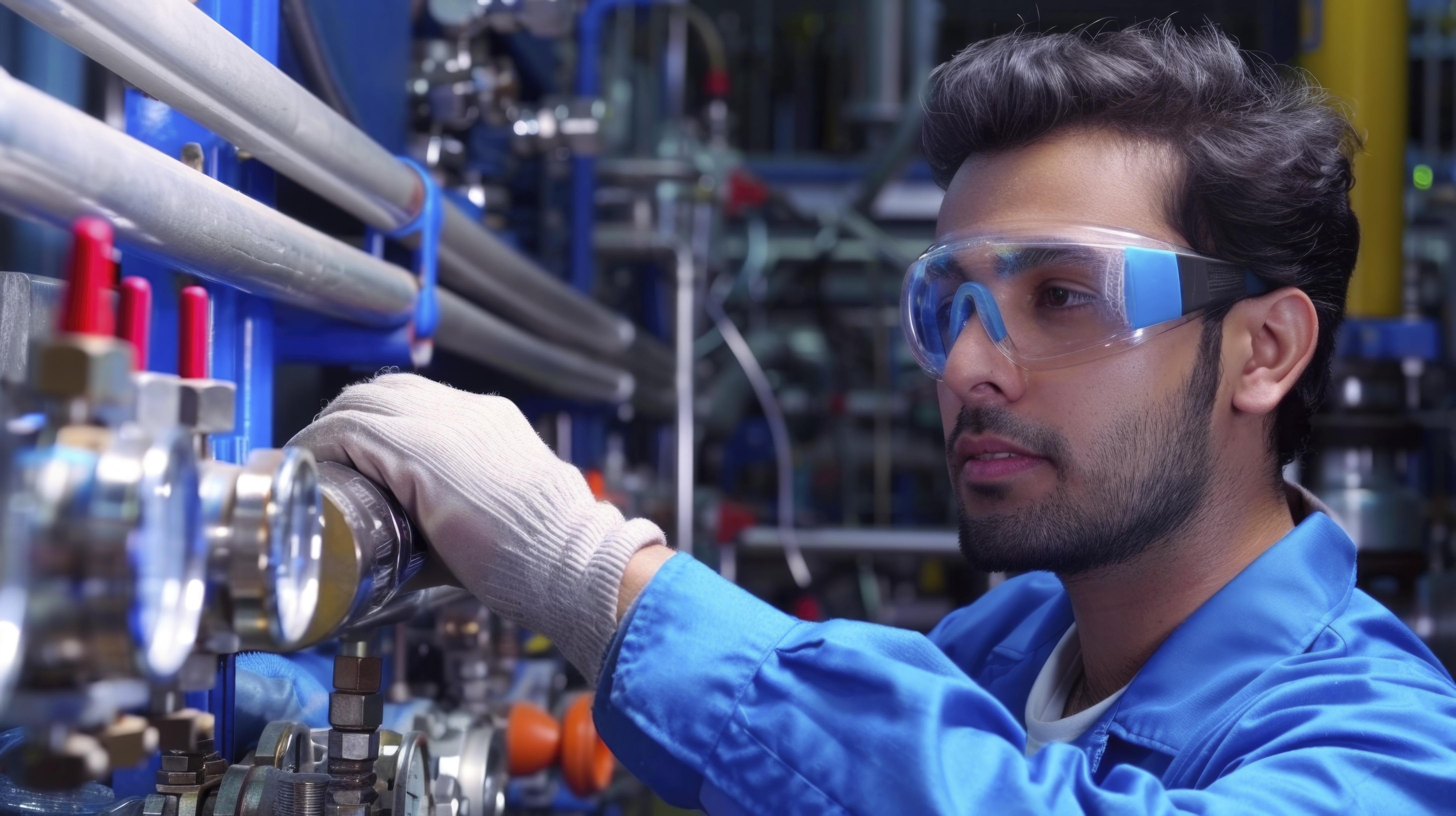
Emerging Technologies in Water Purification: What’s Next for 2026 and Beyond
As we stand on the cusp of a new era marked by rapid technological advancement and
heightened environmental awareness, the future of water purification looks both promising
and revolutionary. The season of renewal and innovation invites us to explore the
cutting-edge trends and emerging technologies poised to transform how we access clean,
safe water in 2026 and beyond.
The Growing Need for Advanced Water Purification
Global water scarcity, pollution, and the impacts of climate change are pressing issues
demanding innovative solutions. Traditional methods like chlorination and filtration, while still
vital, are increasingly complemented by novel technologies that aim for efficiency,
sustainability, and scalability.
Promising Technological Frontiers
1. Nanotechnology-Enhanced Filtration
Nanomaterials, such as graphene oxide membranes and nano-adsorbents, are
revolutionizing filtration systems. These materials can remove contaminants at the molecular
level, including heavy metals, pathogens, and microplastics, with unprecedented efficiency.
Future developments will likely see affordable, nanotech-based filters integrated into
household and industrial systems.
2. Solar-Powered Purification
Harnessing solar energy for water purification—through solar distillation and solar-powered
membrane systems—offers a sustainable solution, especially in remote and off-grid
locations. Advances in photovoltaic technology and energy-efficient designs will make
solar-powered purification more accessible and cost-effective.
3. Artificial Intelligence and IoT Integration
Smart water purification systems equipped with AI and Internet of Things (IoT) sensors will
enable real-time monitoring, predictive maintenance, and adaptive filtration processes.
These intelligent systems will optimize water treatment, reduce waste, and ensure consistent
water quality, particularly in municipal and industrial settings.
4. Bioremediation and Microbial Solutions
Emerging biotechnologies utilize engineered microbes and biofilms to degrade or neutralize
pollutants naturally. Such eco-friendly approaches could reduce reliance on chemicals and
energy-intensive processes, making water treatment safer and more sustainable.
5. Advanced Membrane Technologies
Next-generation membranes, including biomimetic and graphene-based membranes,
promise to enhance selectivity and durability while reducing energy consumption. These
innovations will be crucial for desalination and wastewater recycling.
The Future Outlook
By 2026 and beyond, we can expect water purification technologies to become more
integrated, intelligent, and sustainable. The convergence of nanotechnology, AI, renewable
energy, and biotechnology will enable scalable solutions tailored to diverse needs—from
individual households to large-scale industrial applications.
Embracing Innovation for a Water-Resilient Future
The season of renewal reminds us that innovation is key to addressing water challenges.
Investments in research, supportive policies, and community engagement will be essential to
accelerate the adoption of these future-forward technologies.
Conclusion
The water purification landscape is set for a transformative journey over the coming years.
As we look ahead to 2026 and beyond, embracing these emerging innovations will be vital to
ensuring access to safe, clean water for all, fostering a healthier planet and more resilient
communities.