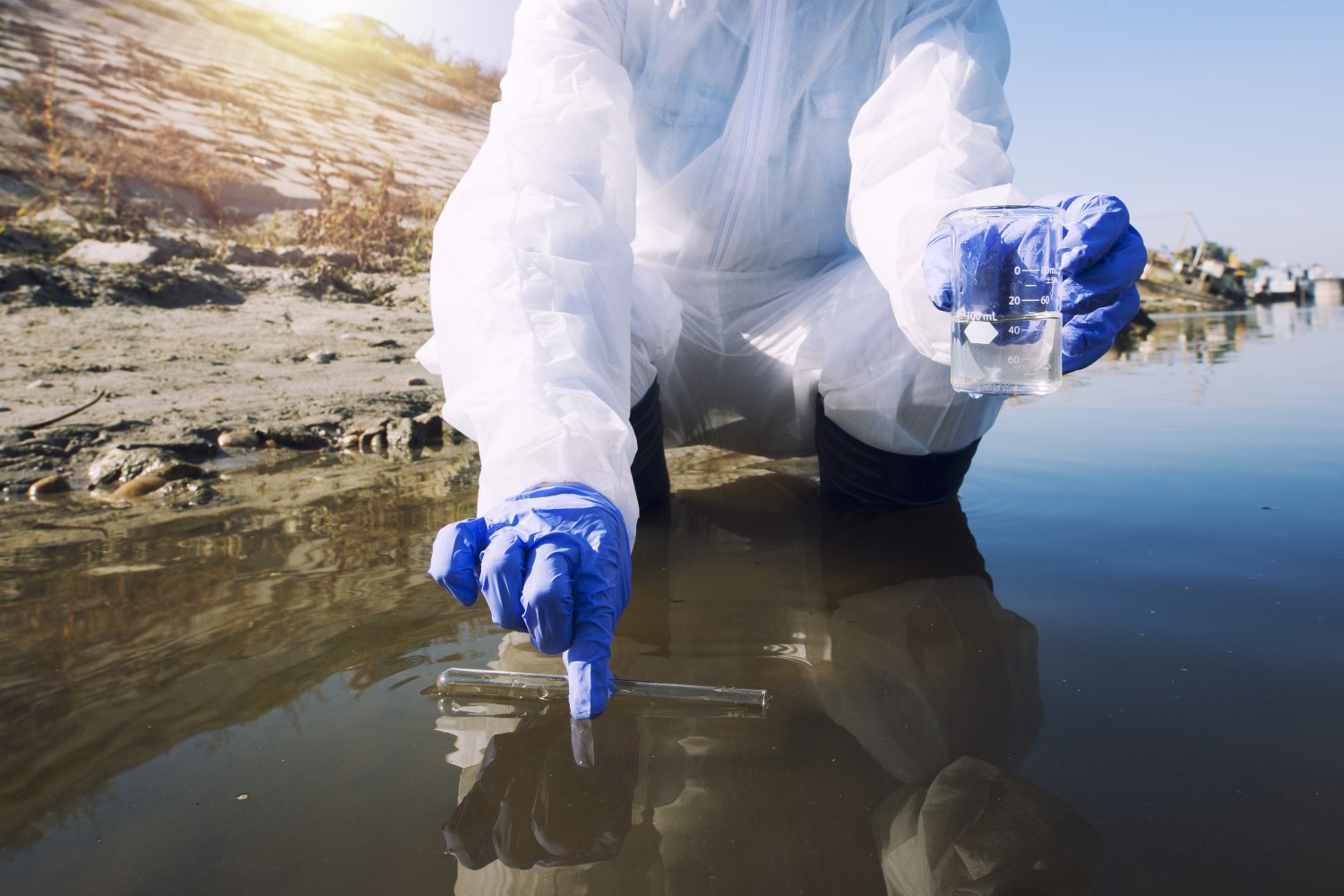
The Impact of Climate Change on Water Resources and Treatment Strategies
Climate change is no longer a distant threat; it is a pressing reality that is transforming our
environment and, critically, our water resources. As global temperatures rise, patterns of
precipitation, snowmelt, and water availability are becoming increasingly unpredictable. This
volatility poses significant challenges for water management and treatment, urging
industries, governments, and communities to adopt adaptive strategies to ensure water
security
How Climate Change Affects Water Resources
1. Altered Precipitation Patterns
Climate variability leads to irregular rainfall, some regions experience intense storms and
flooding, while others face prolonged droughts. These fluctuations disrupt the natural
replenishment of water sources, affecting both surface and groundwater supplies.
2. Melting Glaciers and Snowpack Decline
Many of the world's major rivers depend on glacier meltwater. Rising global temperatures
accelerate glacier retreat, reducing the seasonal flows that communities rely on, especially
during dry seasons.
3. Increased Frequency of Extreme Weather Events
Floods, storms, and droughts are becoming more frequent and severe, overwhelming
existing water infrastructure and increasing pollution risks.
4. Water Quality Deterioration
Changes in temperature and flow patterns can lead to the proliferation of harmful algae
blooms, increased sedimentation, and contamination, complicating water treatment
processes.
Adaptive Water Treatment Strategies in Response
To combat these challenges, water management must evolve. Here are some key strategies
being adopted:
1. Enhanced Monitoring and Data Analytics
Utilizing advanced sensors and data analytics allows for real-time assessment of water
quality and quantity, enabling swift responses to changing conditions.
2. Flexible and Resilient Infrastructure
Designing treatment plants and distribution systems that can handle variable water flows and
quality ensures resilience against climate-induced fluctuations.
3. Decentralized Water Treatment Solutions
Implementing localized treatment units reduces reliance on centralized infrastructure and
provides flexibility during extreme events or resource shortages.
4. Water Recycling and Reuse: Maximizing the reuse of wastewater can alleviate pressure on natural sources, especially
during droughts.
5. Nature-Based Solutions
Restoring wetlands, riparian buffers, and natural aquifer recharge systems can enhance the
resilience of water sources against climate impacts.
H2O Dynamics: Leading the Way in Adaptive Water Management
At H2O Dynamics, we recognize the critical role of innovative, adaptive strategies in
safeguarding our water resources amid climate change. Our solutions focus on smart water
management, leveraging IoT, automation, and sustainable practices to enhance resilience
and ensure continuous access to clean water.
We are committed to raising awareness about these pressing issues and providing
forward-thinking solutions that align with the evolving climate landscape. By integrating
climate adaptation into water treatment strategies, we aim to contribute to a sustainable and
secure water future for all.
Conclusion
Climate change presents unprecedented challenges to our water resources, demanding
proactive, adaptive, and innovative treatment strategies. Embracing these changes with
resilient infrastructure, advanced technology, and sustainable practices is essential to
safeguarding water quality and availability for generations to come.
Partner with H2O Dynamics as we lead the charge in adaptive water management—building
a resilient future one drop at a time.